

The fight against non-communicable diseases (NCDs) in Kenya requires innovative, community-centered approaches. The Stowelink Foundation’s recent efforts during the May Measurement Month (MMM) campaign are a testament to the power of strategic community mobilization and volunteer engagement. Over the course of four weeks, Stowelink managed to educate and screen over 14,000 people, demonstrating the importance and effectiveness of their multi-faceted approach.

Community Mobilization: The Heartbeat of Success
The success of Stowelink’s MMM campaign can be attributed to its robust community mobilization strategy. By engaging with schools, churches, sporting clubs, and conducting door-to-door activities, the foundation ensured that health education and screening services reached a diverse and broad audience. This comprehensive mobilization strategy is crucial in a country like Kenya, where community dynamics and access to healthcare information can vary significantly.
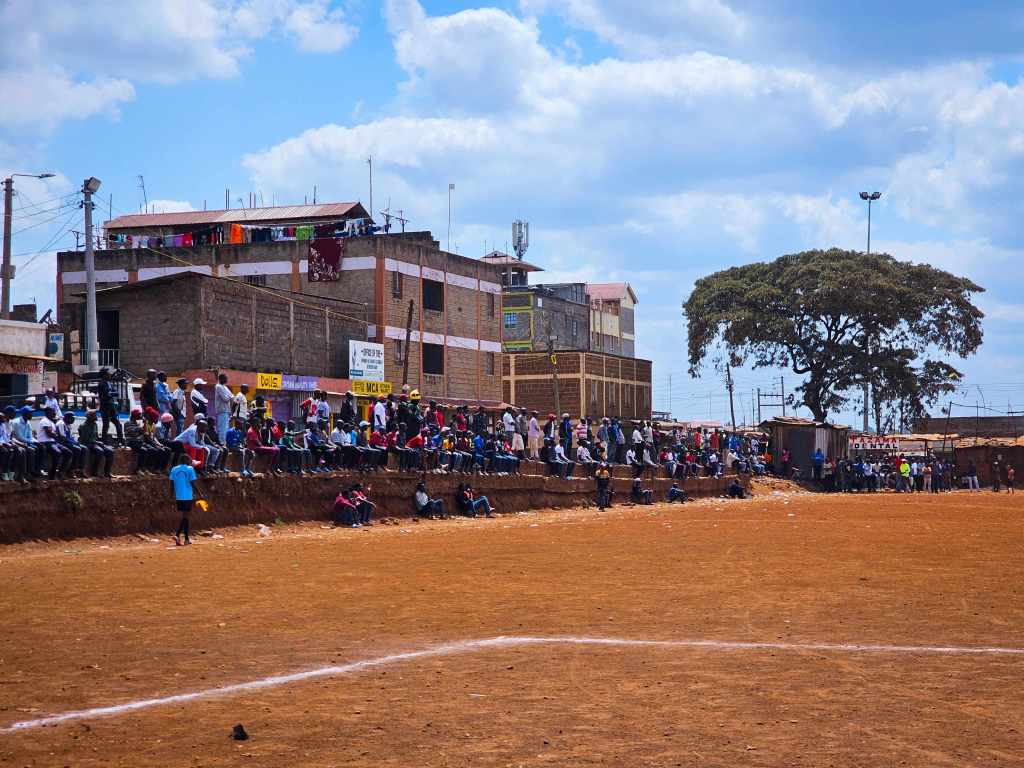
In Githurai, the community sports center became a focal point for health education and screenings. Leveraging the popularity of local football matches, Stowelink set up health tents where fans could learn about cardiovascular health, obesity, diabetes, and nutrition. This innovative approach ensured that health education was integrated into popular community events, making it accessible and engaging for all.

Volunteer Engagement: The Unsung Heroes
Volunteers are the backbone of Stowelink’s operations. During the MMM campaign, volunteers played a pivotal role in mobilizing communities, conducting screenings, and educating the public. Their dedication and hard work, often with minimal resources, were instrumental in reaching the impressive numbers achieved during the campaign.
Volunteer engagement not only amplifies the reach of health initiatives but also fosters a sense of ownership and responsibility within the community. The volunteers’ efforts in mobilizing people for screenings and disseminating health information underscore the importance of community involvement in public health initiatives.

The Need for a Community-Centered Approach
A community-centered approach is vital for the success of health education and screening programs. Stowelink’s strategy of integrating health initiatives into everyday community activities ensured that the message reached those who might not otherwise have access to such information. This approach also facilitated the tailoring of health messages to the local context, making them more relevant and easier to understand.
During the MMM campaign, the preference for health education and screening to be conducted in local languages and in easily understandable formats was evident. This highlights the need for health initiatives to be adaptable and responsive to community needs and preferences.

NCD Awareness and Screening: A Continuing Necessity in Kenya
Non-communicable diseases, including cardiovascular diseases, obesity, and diabetes, remain significant public health challenges in Kenya. Awareness and screening are critical components in the fight against these diseases. Early detection through screenings can lead to better management and treatment outcomes, while ongoing education empowers individuals to make healthier lifestyle choices.
The impressive turnout during the MMM campaign underscores the high demand for health education and screening services. Despite the challenges, including unpredictable weather and resource constraints, the sustained interest from the community highlights the urgency of addressing the NCD epidemic.

Conclusion
Stowelink’s success in educating and screening over 14,000 people in just four weeks is a powerful example of what can be achieved through strategic community mobilization, volunteer engagement, and a community-centered approach. As Kenya continues to grapple with the burden of NCDs, these strategies will be essential in ensuring that health education and screening services reach those who need them most.
The work of Stowelink and its partners during the May Measurement Month campaign is a reminder that community-driven health initiatives can make a significant impact. By continuing to leverage community resources, engaging volunteers, and focusing on tailored, local approaches, we can make strides towards a healthier Kenya.
 Stowelink Foundation
Leave a comment