

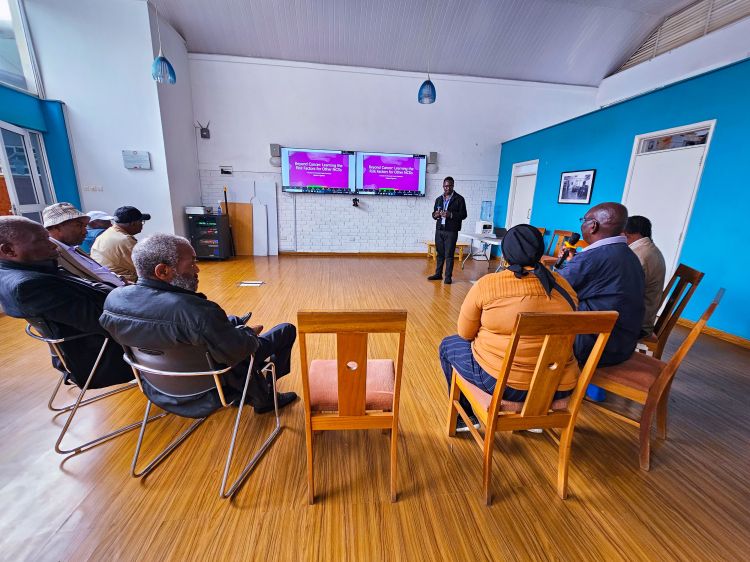
Stowelink founder Ogweno Stephen was recently invited by the Faraja Cancer Support Trust to deliver an insightful session on “Beyond Cancer: The Risk Factors for Other NCDs.” The Faraja Cancer Support Trust, founded in 2010, is dedicated to providing emotional, practical, and holistic support to individuals affected by cancer. Their mission is to offer cancer patients and their caregivers comprehensive assistance, including information, advice, counseling, and complementary therapies, to help make their cancer journey more manageable. They collaborate with numerous institutions and hospitals that provide conventional cancer treatments such as radiotherapy, chemotherapy, and surgery.
Importance of Interactions with Prostate Cancer Survivors
The interaction between cancer survivors and health advocates like Ogweno Stephen is invaluable. Such engagements offer survivors not only the chance to gain vital knowledge about managing their health post-treatment but also emotional and moral support. These sessions create a platform for sharing experiences, addressing concerns, and empowering survivors with actionable steps to improve their quality of life. They also provide caregivers with the necessary tools and information to better support their loved ones through recovery and beyond.
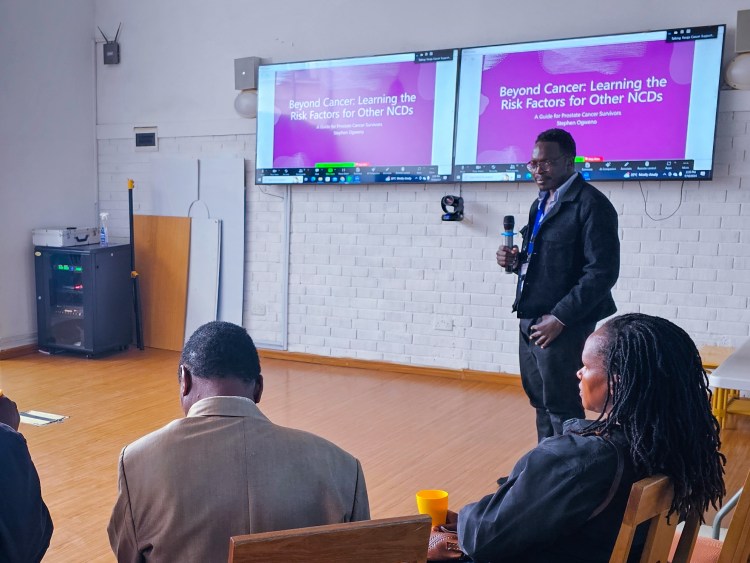
Prostate Cancer and Increased Risk of NCDs
Prostate cancer survivors are at an elevated risk of developing other non-communicable diseases (NCDs) such as cardiovascular diseases, diabetes, and hypertension. This increased risk is due to a combination of factors including the side effects of cancer treatments, changes in lifestyle post-diagnosis, and the biological stress of surviving cancer. Treatments like hormone therapy can lead to weight gain and insulin resistance, both of which are risk factors for other NCDs. Additionally, the psychological impact of a cancer diagnosis can result in stress and depression, further contributing to the risk of developing additional health issues.
Countermeasures to Improve Health
To mitigate these risks, several countermeasures can be implemented:
- Regular Monitoring and Check-ups: Continuous health monitoring can help detect early signs of NCDs, allowing for prompt intervention.
- Lifestyle Modifications: Encouraging survivors to adopt healthier lifestyles is crucial. This includes a balanced diet, regular physical activity, and maintaining a healthy weight.
- Mental Health Support: Providing psychological support to manage stress, anxiety, and depression is vital for overall well-being.
- Patient Education: Informing survivors about the risks and signs of NCDs empowers them to take proactive steps in managing their health.
- Support Groups: Facilitating support groups where survivors can share experiences and advice can provide both emotional and practical support.
Conclusion
The session conducted by Ogweno Stephen at the Faraja Cancer Support Trust highlighted the critical need for ongoing education and support for prostate cancer survivors. By understanding the increased risks of other NCDs and taking proactive measures, survivors can significantly improve their long-term health outcomes. Stowelink remains committed to advocating for holistic health approaches and supporting cancer survivors through continued education and community engagement.
 Stowelink Foundation
Leave a comment