

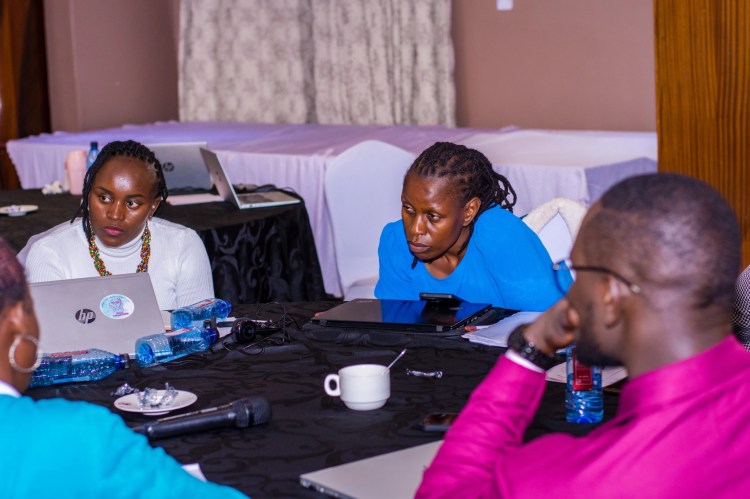
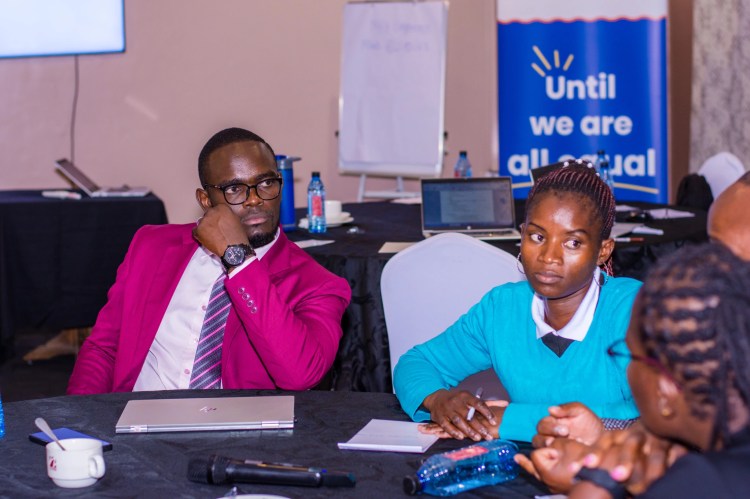
At Stowelink Foundation, we believe that adolescence is a critical stage for shaping future health outcomes. Represented by our COO, Oduor Kevin, we had the privilege of participating in the Annual Reflection Meeting organized by Plan International Kenya. This event brought together young people, parents, and healthcare providers to evaluate the achievements and lessons of the Young Health Program (YHP), a transformative initiative targeting adolescents aged 10–19. The YHP focuses on equipping young people with the knowledge and tools to prevent non-communicable diseases (NCDs) while fostering a holistic approach to adolescent health.
Reflections on YHP’s Impact
The Annual Reflection Meeting served as a platform to review the effectiveness of YHP interventions. One of the standout strategies discussed was the peer educator model in schools, which equips students to become health advocates within their communities. By fostering peer-led learning, the program empowers young people to share knowledge, promote healthy behaviors, and create supportive networks for NCD prevention.
Additionally, the introduction of youth-friendly health services was highlighted as a critical success. By creating a welcoming environment, healthcare providers have built trust with adolescents, encouraging them to seek guidance and support for health-related issues. This comprehensive approach acknowledges that NCD prevention is about more than just education—it requires creating access, trust, and a culture of care.
Why Adolescence Matters in NCD Prevention
Adolescence is a key period for shaping lifelong health behaviors. According to UNICEF, many risk factors for NCDs—such as poor nutrition, tobacco and alcohol use, and physical inactivity—emerge during this stage of life. Programs like YHP capitalize on this window of opportunity to address these risks early.
One particularly innovative aspect of YHP is its integration of sexual and reproductive health (SRH) into NCD education. This intersectional approach ensures that adolescents receive a comprehensive understanding of their health, enabling them to make informed decisions that address multiple dimensions of their well-being.
Impactful Outcomes
During the meeting, the presentation by Robinson Obongu underscored YHP’s measurable success. The program has significantly increased adolescents’ awareness of NCDs, improved nutritional practices, reduced alcohol and tobacco use, and encouraged greater participation in physical exercise. The integration of SRH topics into NCD discussions has made the program even more impactful, addressing the diverse and interconnected health needs of young people.
Scaling Success Through Partnerships
A key theme during the meeting was the importance of scaling YHP’s success. To achieve this, participants emphasized the need to strengthen partnerships with governments, schools, and local communities. By fostering multi-stakeholder collaborations, programs like YHP can fill resource and expertise gaps while reaching more adolescents.
Innovative ideas were also discussed for enhancing YHP’s impact. These included leveraging digital platforms to disseminate health information, engaging parents to reinforce healthy behaviors at home, and building coalitions to sustain program efforts.
A Call to Action
The Annual Reflection Meeting was a reminder that addressing NCDs requires collective action. Adolescents are not just beneficiaries of health programs—they are change agents who can inspire their communities to embrace healthier lifestyles. Programs like YHP demonstrate the power of equipping young people with the right tools and knowledge to lead this change.
At Stowelink Foundation, we are inspired by the success of YHP and the collective efforts of all stakeholders involved. We commend Plan International Kenya for creating this impactful platform and applaud the adolescents who are at the heart of this mission. Your voices, actions, and leadership are paving the way for a healthier, brighter future for Kenya and beyond.
Conclusion
Adolescence is a critical window of opportunity for NCD prevention. Investing in programs like the Young Health Program not only addresses immediate health concerns but also lays the foundation for healthier generations. The insights and success stories shared at the Annual Reflection Meeting reaffirm our commitment to championing adolescent health. Together, we can create a world where every child thrives, free from the preventable burden of NCDs.
Let’s continue to collaborate, innovate, and scale impactful programs that empower young people to lead the way toward healthier communities.
 Stowelink Foundation
Leave a comment