

Introduction
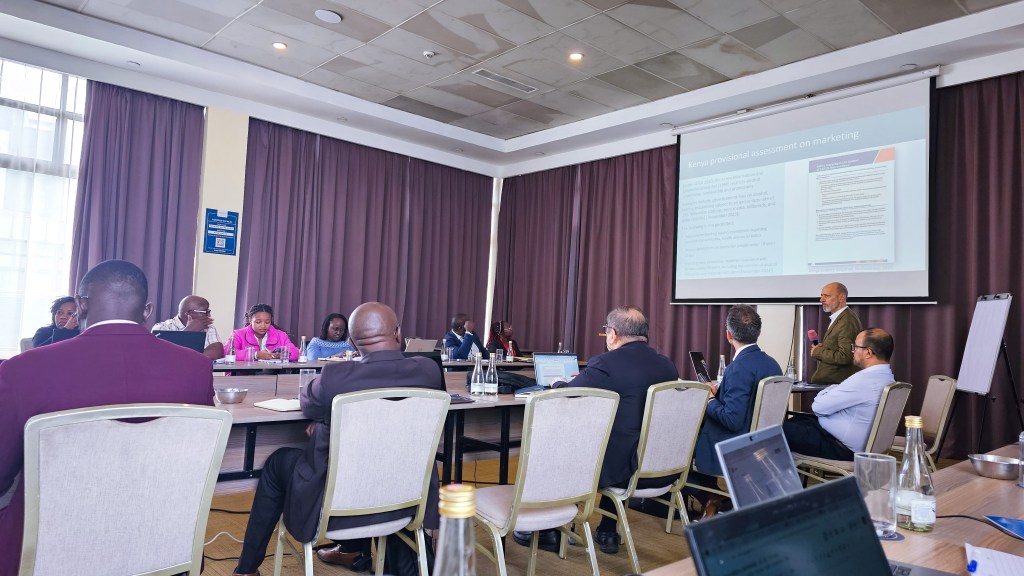
From March 17th to 19th, 2025, policymakers, public health experts, and advocates gathered at PrideInn Azure for the Alcohol Tax and Policy Summit 2025 organized by the World Health Organization and Kenya’s Ministry of Health. This pivotal event focused on advancing evidence-based alcohol control measures to reduce the public health burden of alcohol consumption, particularly non-communicable diseases (NCDs). Our CEO Ogweno Stephen and CPO Oduor Kevin participated in this summit, contributing to the discussion on strengthening alcohol control in Kenya.
Key discussions revolved around alcohol taxation and policy frameworks, the WHO’s SAFER technical package, and the challenge of illicit alcohol. Experts shared global best practices, debunked industry myths, and reinforced the need for decisive policy action to safeguard public health.
Key Discussions: Alcohol Taxation, Policy, and Public Health
A highlight of the summit was the introduction of the World Health Organization’s (WHO) SAFER technical package, a comprehensive framework designed to help countries reduce alcohol-related harm. SAFER comprises five key strategies:
- S: Strengthen restrictions on alcohol availability
- A: Advance and enforce drink-driving countermeasures
- F: Facilitate access to screening, brief interventions, and treatment
- E: Enforce bans or comprehensive restrictions on alcohol advertising, sponsorship, and promotion
- R: Raise prices on alcohol through excise taxes and pricing policies
Juan Telo from WHO’s Less Alcohol Unit emphasized how Kenya could integrate these strategies into its alcohol control efforts. In his presentation on the Kenya’s provisional next steps in alcohol control, Juan’s recommendations included:
- Strengthening regulations on alcohol availability
- Developing a robust regulatory framework aligned with the National Alcohol Policy
- Integrating the 5As brief intervention model within major NCD services
- Expanding access to screening, brief interventions, and treatment (SBIRT)
- Raising alcohol prices through excise duty and pricing policies
The Myth of Illicit Alcohol and Taxation
One of the most contentious issues discussed was the alcohol industry’s claim that higher alcohol taxes push consumers toward illicit alcohol. This argument is frequently used to oppose tax increases. However, evidence does not support this claim. Studies show that while some individuals may turn to illicit alcohol, higher taxes still lead to an overall reduction in consumption and improved public health outcomes. Additionally, illicit alcohol sellers tend to raise their prices in response to increased legal alcohol costs, making it less of an attractive alternative than often claimed.
Juan Telo cautioned that governments should not be misled into reversing alcohol tax policies based on these frivolous industry arguments. Instead, he urged decisive actions to combat illicit alcohol while maintaining strong tax regimes that curb consumption and generate revenue for public health programs.
Meeting with Juan Telo: Strengthening Alcohol Control Advocacy
At the conclusion of the summit, we had the opportunity to engage with Juan Telo, facilitated by our partnership with Movendi International—the world’s largest independent movement for alcohol prevention and development.
Our discussion centered on digital advocacy for alcohol taxation, particularly Stowelink Foundation’s involvement in the alcohol tax petition led by the International Institute for Legislative Affairs (IILA). We highlighted our commitment to pushing for higher alcohol taxes as a strategy to reduce consumption and prevent alcohol-related harm.
Beyond taxation, we discussed the importance of public education and awareness campaigns. Preventing early alcohol initiation among young people is a critical step in reducing long-term health and social harms. Studies indicate that delaying substance use exposure in adolescence significantly lowers the risk of developing alcohol dependence and NCDs later in life.

Conclusion
The Alcohol Tax and Policy Summit 2025 reinforced the importance of evidence-based alcohol control measures, particularly taxation, regulation, and awareness campaigns. It provided a platform for policymakers and advocates to align strategies and reaffirm their commitment to protecting public health.
As Stowelink Foundation, we remain committed to driving policy change and advancing public education to curb alcohol-related harms. The fight against alcohol misuse is a public health priority, and through collective efforts, we can shape a future with reduced alcohol consumption, improved health outcomes, and stronger policy frameworks.
#TimeToLead #LeadOnNCDs #ActOnNCDs
 Stowelink Foundation
Leave a comment