
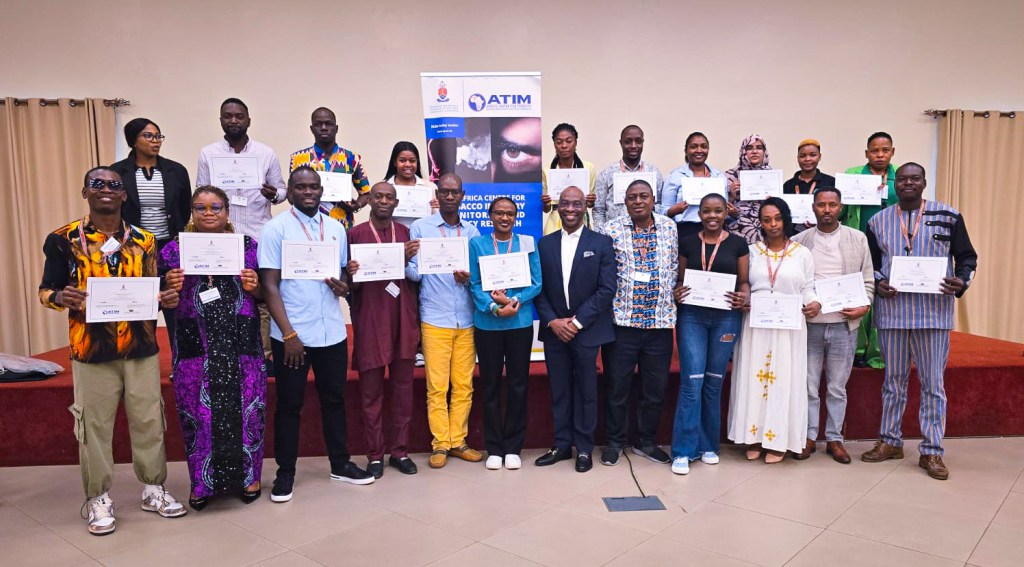
From April 28 to May 2, 2025, Stowelink Foundation was represented at the BETA 3.0 training held in Entebbe, Uganda, organized by the Africa Centre for Tobacco Industry Monitoring and Policy Research (ATIM). The training, themed “Building Capacity in Industry Monitoring for Effective Tobacco Control Advocacy in Africa,” brought together public health professionals, civil society leaders, and policy advocates from across the continent to strengthen collective efforts in countering tobacco industry interference.
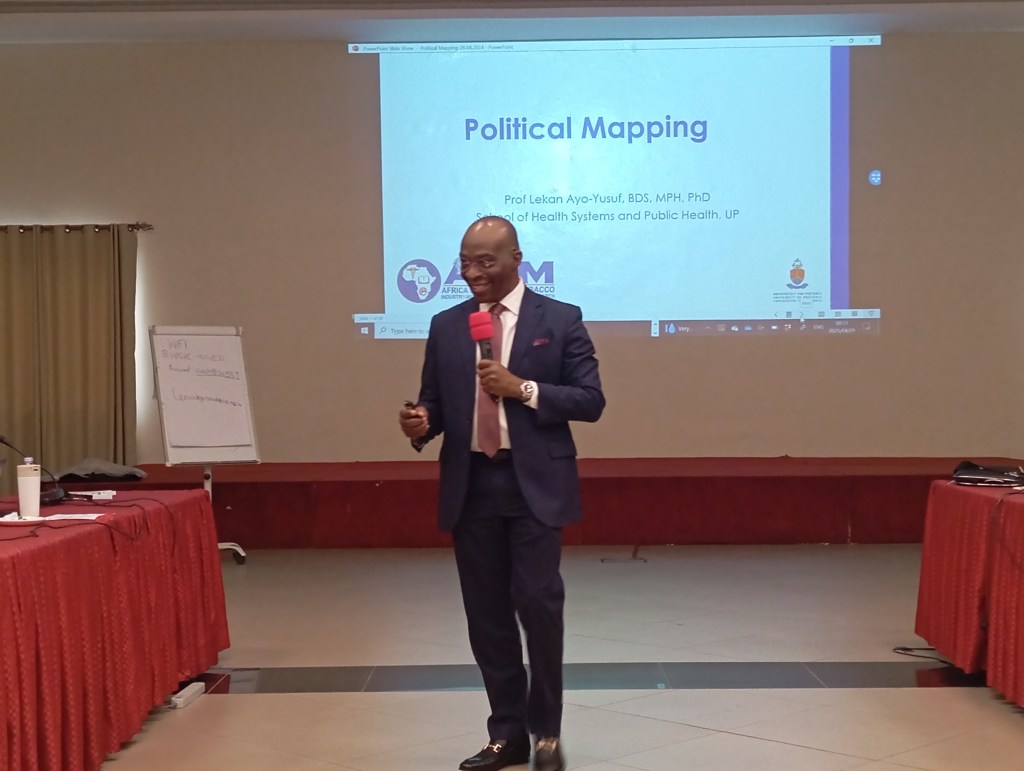
As part of the Kenyan delegation, Stowelink Foundation’s Chief Programs Officer (CPO), Oduor Kevin actively participated in the five-day intensive training. The sessions were led by renowned experts in tobacco control, including Professor Lekan Ayo-Yusuf, who opened the training with a compelling overview of the tobacco policy landscape in Africa. He emphasized that while policy adoption is a critical step, policy implementation is where the real impact lies. Participants were introduced to the EMPOWER framework, an extension of the WHO’s MPOWER package, with a focus on the “Endgame” — a vision for a tobacco-free future.

The training also addressed the rising prevalence of tobacco use among women in Sub-Saharan Africa, a trend attributed to targeted marketing by the tobacco industry. Participants explored how the industry exploits narratives of empowerment and liberalism to recruit new users, particularly as smoking rates among men decline. These insights were supported by practical sessions on industry document research, including the use of the Truth Tobacco Industry Documents and lessons from the Master Settlement Agreement in the United States.
On Day 2, the focus shifted to Article 5.3 of the WHO Framework Convention on Tobacco Control (FCTC), with Professor Stella Aguinaga Bialous guiding participants through strategies for monitoring and responding to industry interference. The day also featured a deep dive into political mapping, a tool for visualizing power dynamics and identifying key actors, allies, and blockers in the policy space. This was followed by sessions on evidence-based advocacy, the Power Prism model, and the legal dimensions of tobacco control, including litigation strategies both for and against the tobacco industry.
Day 3 introduced participants to the complexities of tobacco taxation and illicit trade, led by Mr. Peter Magati, who debunked common myths and explained the differences between specific and ad valorem taxes. The day also featured sessions on media engagement, advocacy strategy development, and the practicalities of tobacco industry monitoring and response (TIMR), facilitated by experts from the Tobacco Control Research Group at the University of Bath.
On Day 4, participants were trained on the use of the ATIM app and the BETA online platform for real-time monitoring. A representative from the African Tobacco Control Alliance (ATCA) outlined the key steps in TIMR, from identifying industry activities to disseminating findings. In the afternoon, country teams presented their advocacy strategies. As part of Team Kenya, Stowelink Foundation’s CPO presented the “STAMP Out Tobacco Initiative”, a bold plan aimed at reducing tobacco-related deaths in Kenya through both online and offline monitoring of industry interference. The initiative received positive feedback from facilitators and peers, with recommendations that will be incorporated into its implementation.
The final day of the training focused on refining policy advocacy messages. Professor Ayo-Yusuf emphasized the importance of grounding advocacy in evidence rather than emotion, and aligning key messages with the primary policy concerns of different audiences. The session helped participants sharpen their communication strategies for engaging policymakers, media, and the public.
The training concluded with a certificate ceremony, marking the successful completion of a transformative learning experience. For Stowelink Foundation, participation in BETA 3.0 represents a significant milestone in our commitment to evidence-based advocacy and tobacco industry accountability. The knowledge and tools gained will directly inform our ongoing programs and strengthen our role in national and regional tobacco control efforts.


We extend our sincere gratitude to ATIM, Professor Lekan Ayo-Yusuf, and all the facilitators for their dedication and generosity in sharing their expertise. This training has not only enhanced our technical capacity but also deepened our resolve to protect public health from the harms of tobacco.
#WCTC2025
 Stowelink Foundation
Leave a comment