
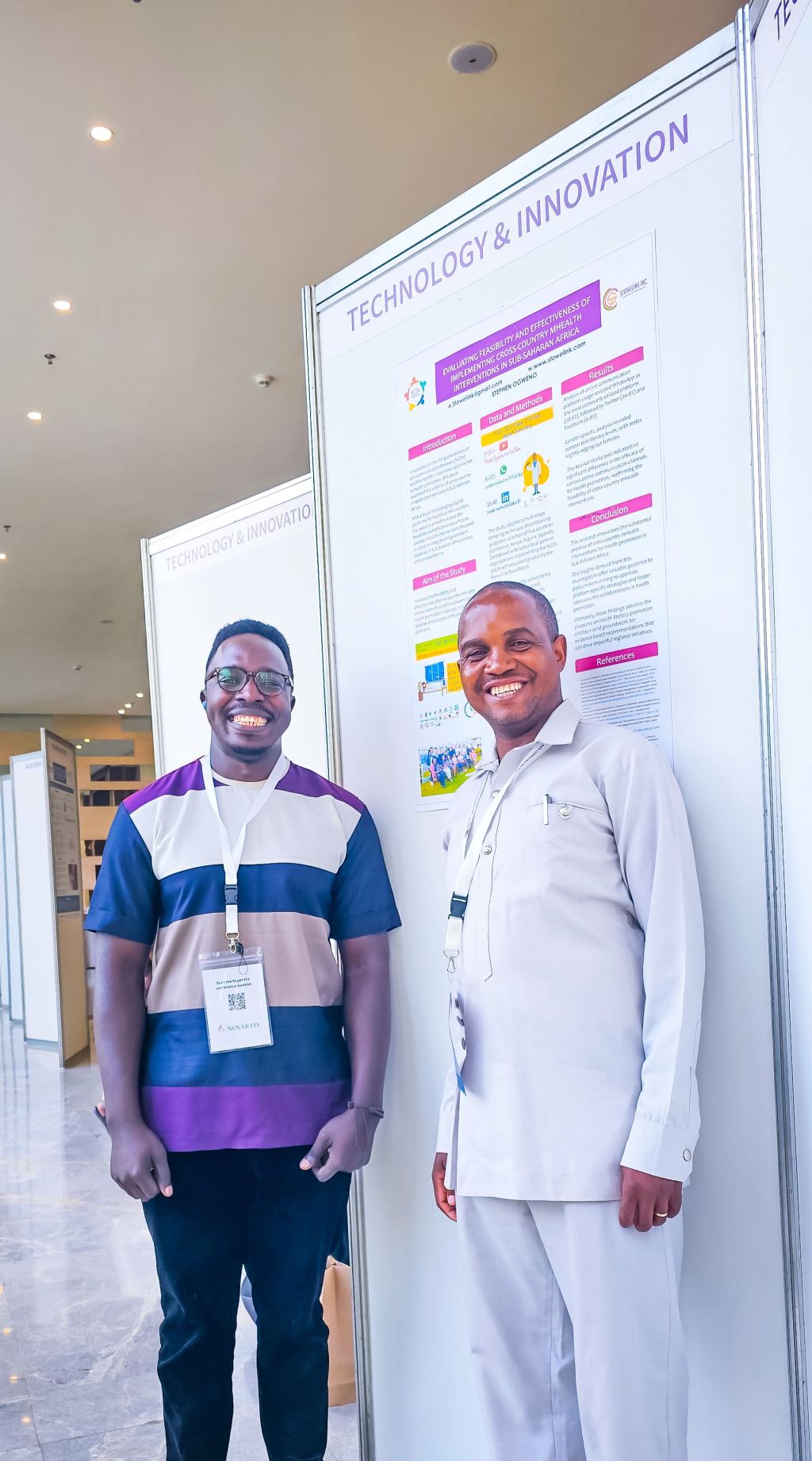
The Stowelink Foundation is proud to celebrate the work of Kenyan health advocate and our founder, Ogweno Stephen, whose leadership continues to shape Africa’s response to non-communicable diseases (NCDs). At the First Kenyan NCD Conference, Ogweno presented a new scientific paper assessing the feasibility and effectiveness of cross-country mobile health (mHealth) interventions in Sub-Saharan Africa—research that arrives at a pivotal moment as digital innovation becomes central to health systems across the continent.
For over a decade, Ogweno and the Stowelink Foundation have championed youth-centered health education, digital health tools, and preventive strategies. His latest publication strengthens the evidence base for how mobile technologies can enhance health literacy and empower communities across Africa.
Understanding the Research: Why mHealth Matters
The study explored one critical question:
Can regional digital interventions improve health literacy and support NCD prevention across Sub-Saharan Africa?
Using the Foundation’s flagship NCDs 365 Project, implemented in Kenya, Cameroon, Nigeria, Uganda, and Zimbabwe, the research analyzed engagement across multiple digital platforms with support from local partners.
Key Findings
1. WhatsApp is Africa’s strongest health communication tool
- 58.6% of all engagement came from WhatsApp
- Followed by Twitter (20.8%) and Facebook (6.8%)
This confirms WhatsApp as the most effective channel for community-based health communication.
2. Balanced engagement among men and women
The study found similar health literacy levels across genders, demonstrating that inclusive digital interventions can reach diverse audiences effectively.
3. Cross-country mHealth interventions are effective
Statistical tests (including ANOVA and Kruskal-Wallis) showed no significant differences in effectiveness across countries or platforms, proving that scalable, regional digital interventions are both feasible and impactful.
Why This Matters
As NCDs continue to rise across Africa—especially among young people—Stowelink’s research provides crucial evidence that:
- Digital tools can drive large-scale NCD awareness
- Cross-border collaborations strengthen health promotion
- Mobile-first models are essential for engaging Africa’s youth
- Policymakers can confidently invest in mHealth for NCD prevention
This research offers a roadmap for governments, civil society, and development partners advancing digital health strategies.
A Milestone for Stowelink and Kenyan Health Leadership
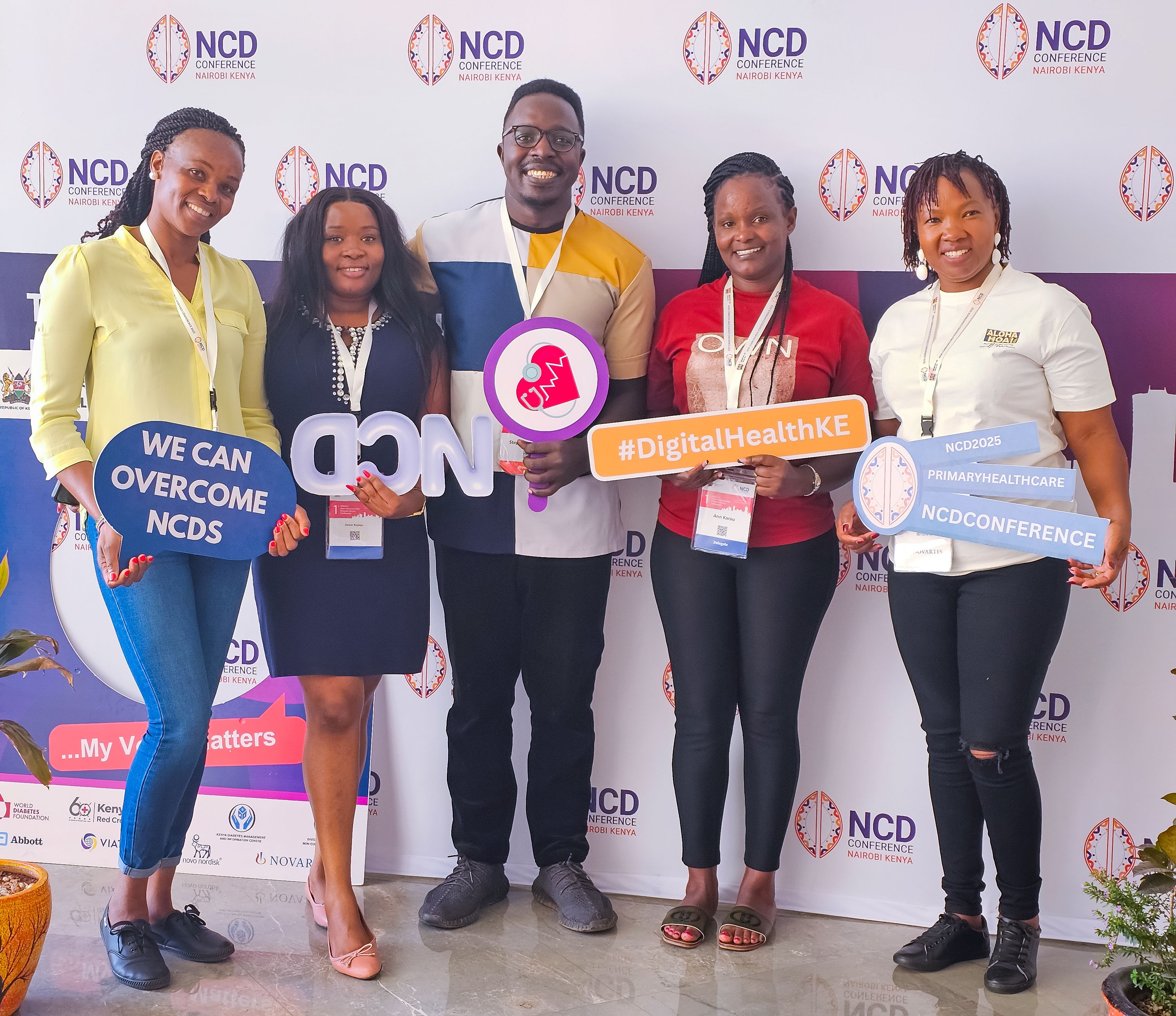
Presenting this research at Kenya’s inaugural NCD conference marks a significant milestone for both the Stowelink Foundation and Kenya’s leadership in digital health innovation. Ogweno’s work reinforces the Foundation’s commitment to scalable, youth-driven solutions and highlights the transformative potential of cross-country digital interventions.
To learn more about the NCDs 365 Project or follow new research emerging from the Stowelink Foundation, visit www.ogwenostephen.com or www.stowelink.com
 Stowelink Foundation
Leave a comment