
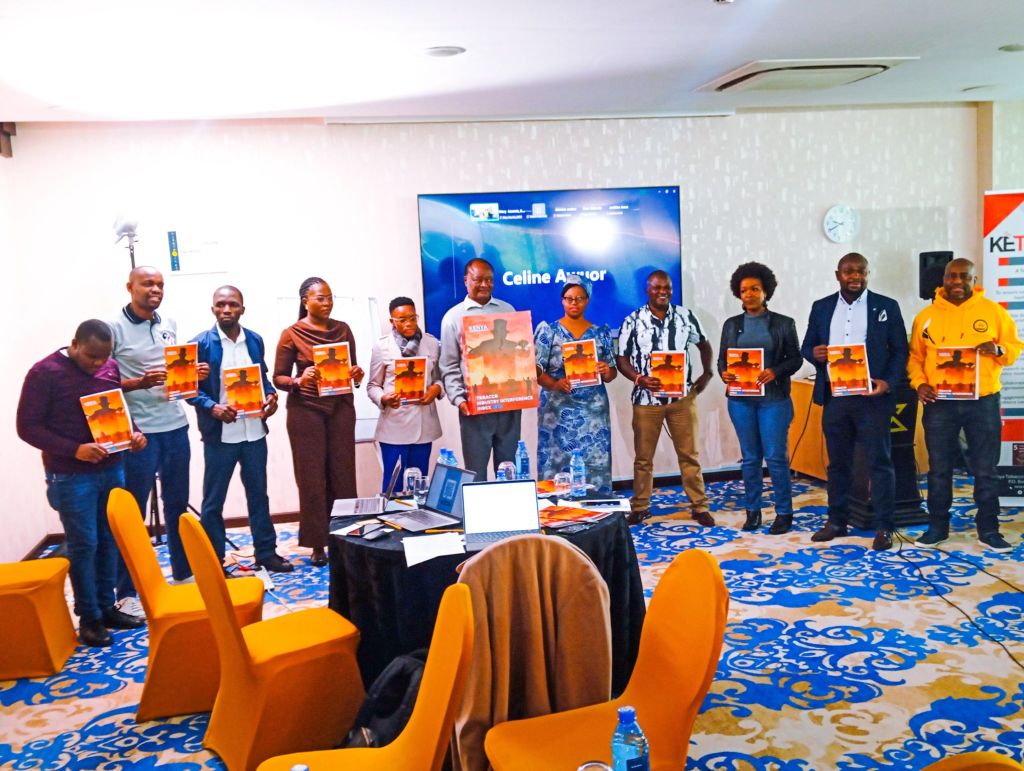
A Critical Moment for Tobacco Control in Kenya
The launch of the Kenya Tobacco Industry Interference Index 2025 provided a sobering assessment of the challenges facing tobacco control in the country. The report, presented by the Kenya Tobacco Control and Health Promotion Alliance, revealed that Kenya ranks nineteenth out of one hundred countries globally in the 2025 index.
With a score of 46, an increase from 40 in 2020, Kenya now sits among countries experiencing moderate to high levels of tobacco industry interference. Within Africa, the country ranks sixth out of twenty nations assessed.
These findings underscore the growing influence of the tobacco industry in policy processes and highlight the need for stronger safeguards to protect public health decision making.

Evidence of Increasing Industry Influence
The report outlines several ways in which the tobacco industry continues to exert influence on public health policy. These include lobbying against stronger health warning regulations, pushing for extended transition periods that delay implementation of regulations, and promoting corporate social responsibility activities that blur the lines between public health partnerships and corporate interests.
The findings also point to gaps in transparency and disclosure mechanisms governing interactions between government officials and the tobacco industry. Such gaps create opportunities for undue influence that can weaken policy protections designed to reduce tobacco related harm.
Global experts, including Mary Assunta from the Global Center for Good Governance in Tobacco Control and Deowan Mohe of the African Tobacco Control Alliance, emphasized that tobacco industry interference remains a global challenge. However, many countries have strengthened protections by implementing stronger safeguards under Article 5.3 of the WHO Framework Convention on Tobacco Control.
Stowelink’s Perspective on Protecting Public Health Policy
Stowelink Foundation participated in the launch alongside other civil society organizations, researchers, and policymakers working to strengthen tobacco governance in Kenya.
For Stowelink, the findings reinforce the importance of independent monitoring, public accountability, and youth engagement in protecting health policies from commercial interference.
Through initiatives such as the Tobacco Industry Interference Digital Watch Initiative and the Unmask the Tactics KE campaign, the organization has been actively documenting misleading narratives and exposing tactics used by the tobacco industry to influence public opinion.
These initiatives have reached hundreds of thousands of people online and contributed to broader conversations around transparency and accountability in tobacco control.


A Call to Protect Health Over Profits
The launch concluded with a panel discussion moderated by Alex Ayub that explored the role of government, civil society, and young advocates in safeguarding Kenya’s public health policies.
Participants agreed that Kenya’s ranking should serve as a warning rather than a point of complacency. Stronger enforcement of Article 5.3 measures, improved conflict of interest safeguards, and sustained civil society engagement will be essential to counter industry influence.
For organizations like Stowelink, the message is clear. Protecting health policies requires continued vigilance, evidence driven advocacy, and collective action across sectors.
The work ahead will determine whether Kenya strengthens its defenses against tobacco industry interference or allows commercial interests to undermine progress in public health.
 Stowelink Foundation
Leave a comment