

Stowelink Foundation participated in the release of new research by the Kenya Tobacco Industry Monitoring & Response (TIMR) Team examining how the tobacco industry is leveraging social media and influencers to promote tobacco and nicotine products. The findings were presented by Oduor Kevin, Chief Programs Officer at Stowelink Foundation, on behalf of the lead researchers, Dr. Nyambura Salome and Winnie Ivayo.
The study comes at a critical time when Kenya has made notable progress in tobacco control through the Tobacco Control Act (2007) and the Tobacco Control Regulations (2014). While these frameworks have successfully limited tobacco advertising in traditional media, they did not fully anticipate the rapid growth of digital platforms. As a result, social media has emerged as a new frontier for tobacco marketing, often operating beyond the scope of existing regulations.
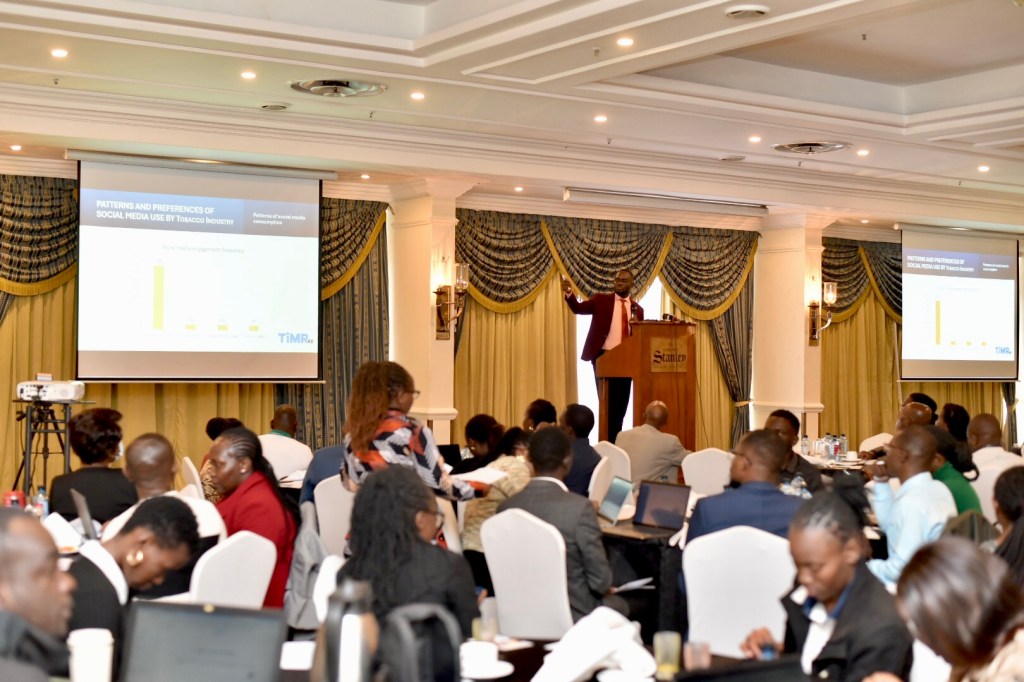
The findings highlight the scale and urgency of the problem. Tobacco-related diseases continue to cause approximately 12,000 deaths annually in Kenya. At the same time, the study reveals widespread exposure to tobacco-related content online, with a majority of respondents encountering such content through social media platforms. This demonstrates how digital environments are being used to normalize and promote tobacco use, particularly among young people.
A key contribution of the study is its analysis of influencer marketing strategies used by the tobacco industry. Influencers are deliberately selected based on their ability to reach youth audiences, promote aspirational lifestyles, and subtly integrate tobacco products into their content. In many cases, sponsorship arrangements are not disclosed, creating challenges for accountability and regulation.
The research further identifies critical policy and enforcement gaps. These include the lack of explicit provisions on digital tobacco marketing, limited oversight of influencer-driven promotions, challenges in regulating cross-border content, and weak age-verification systems for online sales. The use of disappearing content adds another layer of complexity to monitoring and enforcement efforts.

Stowelink Foundation recognizes the importance of responding to these findings through strengthened advocacy and collaboration. Addressing digital tobacco marketing requires a coordinated effort involving government institutions, civil society, academia, and communities. Enhancing policy frameworks, improving enforcement, and increasing awareness will be essential in countering tobacco industry interference in the digital space.
As an organization committed to preventing non-communicable diseases, Stowelink Foundation remains dedicated to supporting evidence-based interventions that protect public health. This research reinforces the need for adaptive strategies to address evolving industry tactics and to safeguard the gains made in tobacco control.
 Stowelink Foundation
Leave a comment