

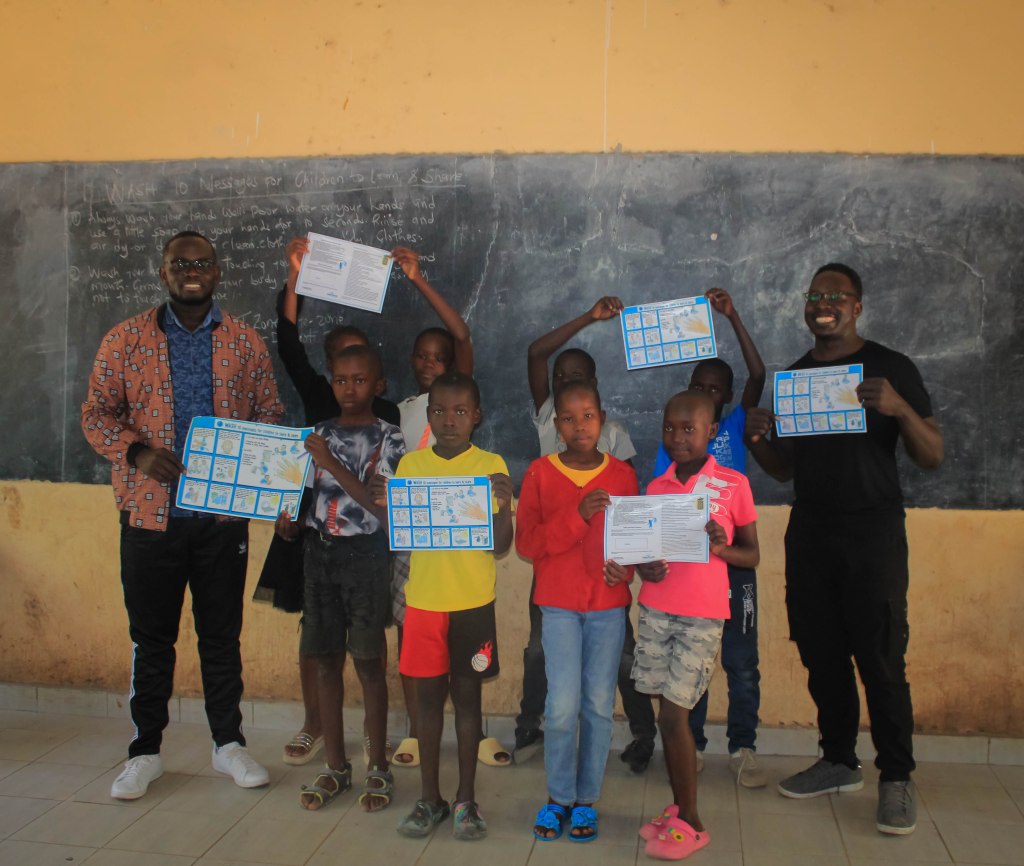
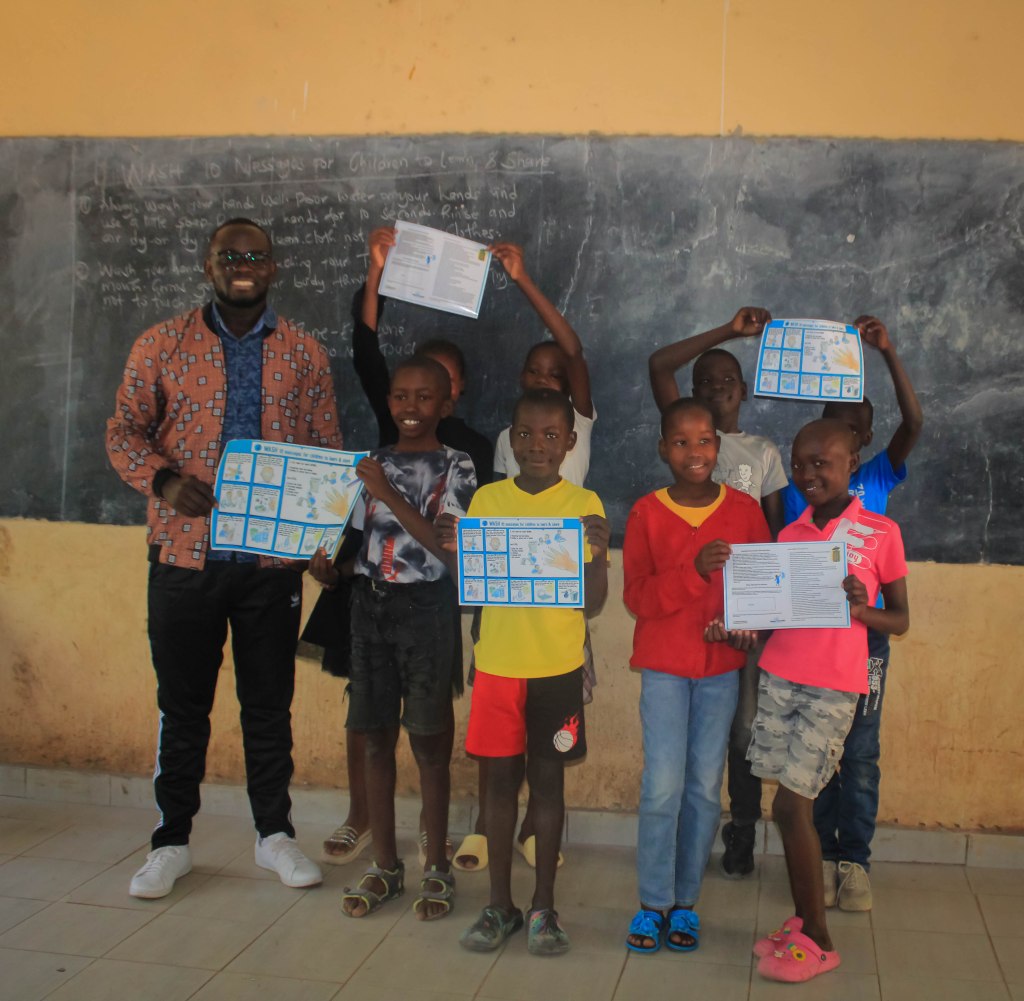
On September 21, 2024, Stowelink Foundation, in collaboration with Children for Health and the Rahul Kotak Foundation, conducted a Water, Sanitation, and Hygiene (WASH) poster validation workshop in Kisumu County. The event took place at Alendu Primary School in the morning and Central Primary School in the afternoon, engaging 80 pupils in total. This workshop was a significant milestone in ensuring that the WASH messages being developed for primary school students were both clear and impactful.

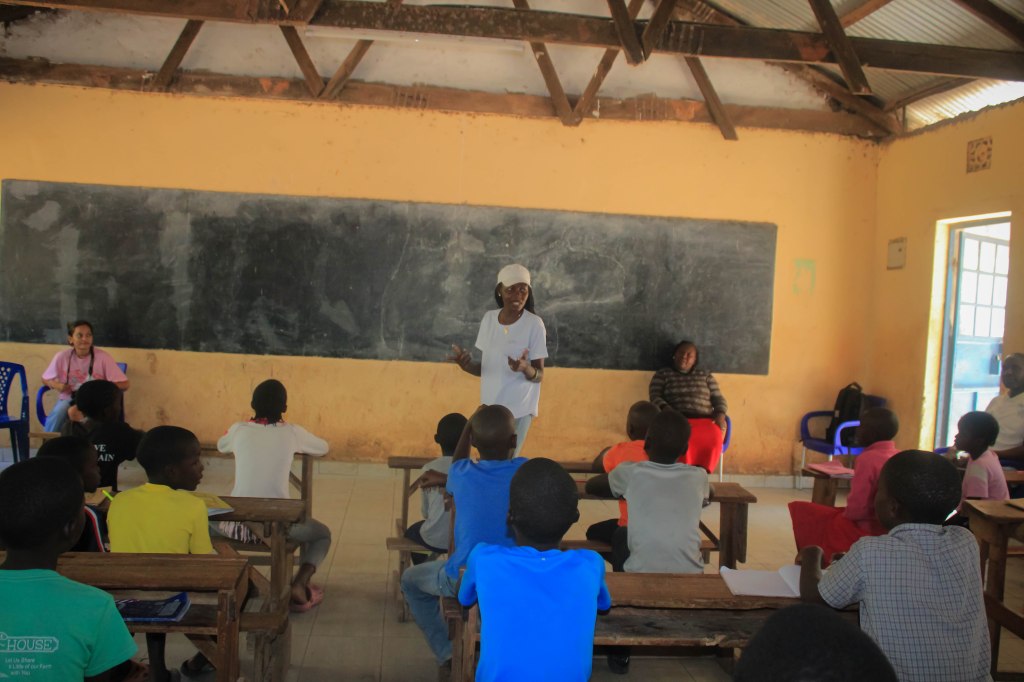
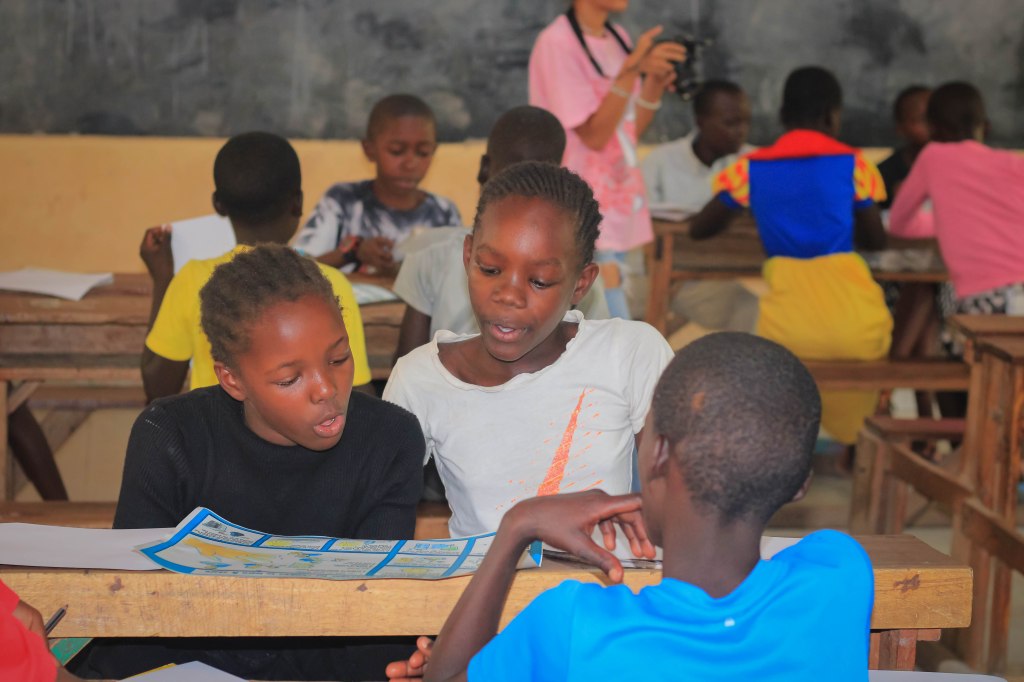
The posters, funded by Children for Health and developed in collaboration with Stowelink Foundation, contained 10 key messages aimed at promoting good hygiene practices. These messages covered essential topics such as handwashing, using clean water, keeping food safe from contamination, and proper sanitation habits. The primary objective of the workshop was to validate these messages by engaging the very audience they were designed for—school-aged children. By involving the pupils directly in the validation process, the messages were assessed for clarity, relevance, and cultural appropriateness, ensuring that they resonate with the young learners they target.
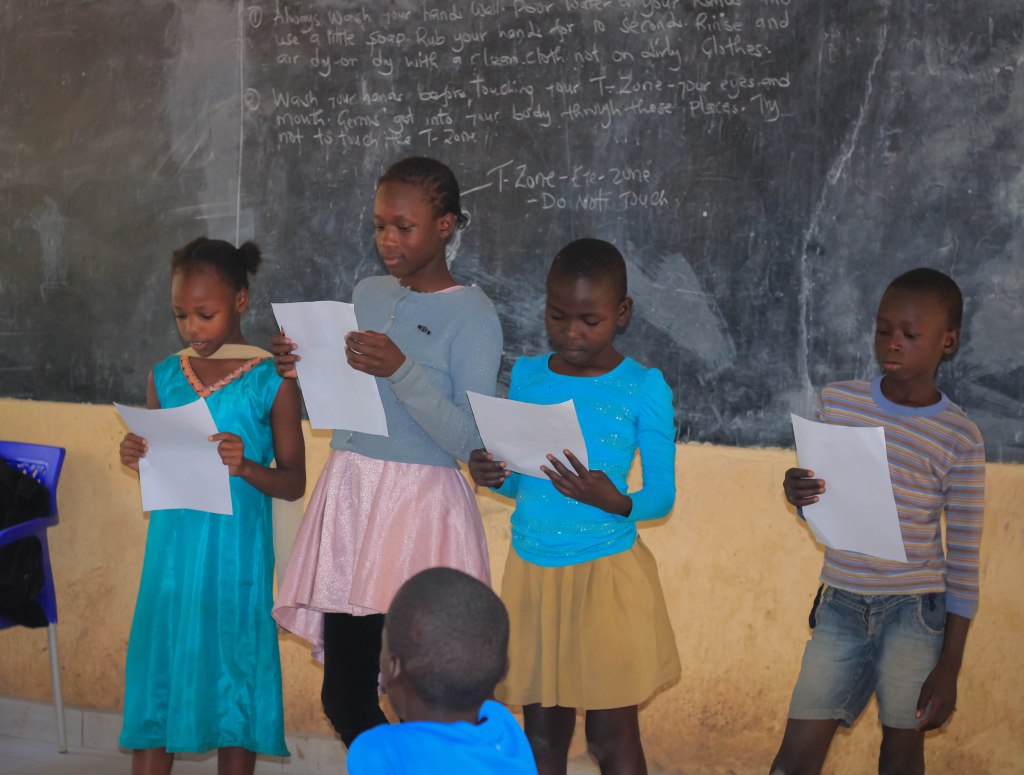
At each school, 40 pupils were divided into 10 groups, each assigned one of the 10 WASH messages. Facilitators guided the children through a detailed review of the posters, encouraging them to provide feedback on both the text and the artwork. The students’ insights were invaluable, as they offered suggestions for improving the clarity of the messages and proposed adjustments to the illustrations to make them more engaging for their peers. This interactive process not only validated the WASH messages but also fostered a sense of ownership among the pupils, allowing them to contribute directly to health education materials that will benefit their schools and communities.

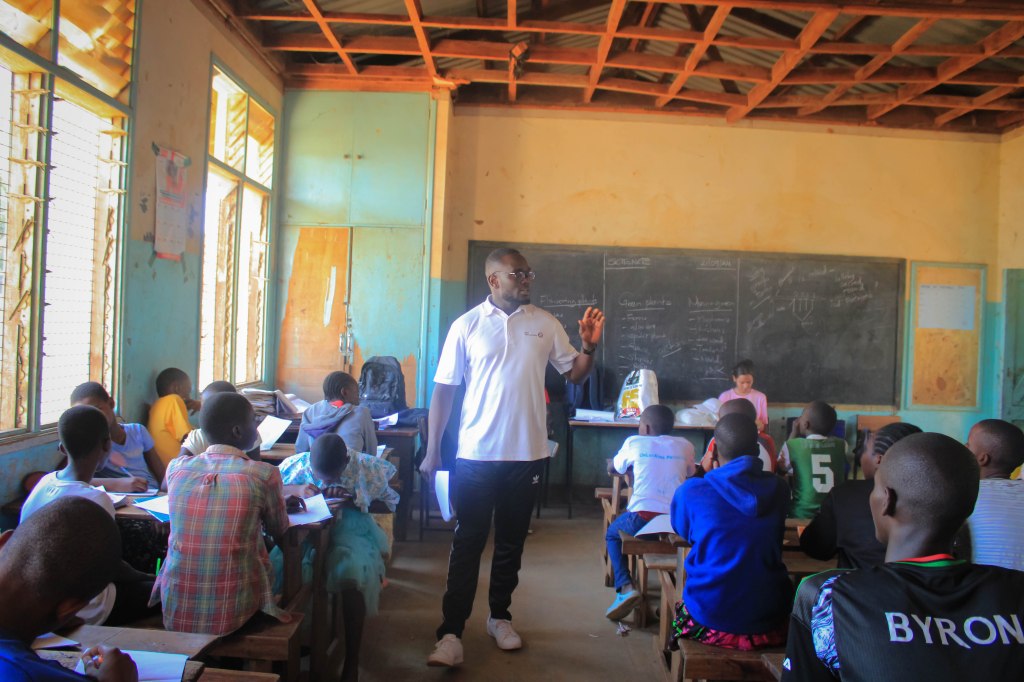
This successful validation workshop exemplifies the power of collaboration in developing effective health communication tools. By incorporating the voices of the children themselves, the WASH messages are now more likely to lead to meaningful, long-lasting behavioral change among the participants and the community at large.
Lessons and Insights from the Validation Workshop
- Simplicity Is Key to Understanding
We learned that simple, straightforward language works best with children. The more complex messages tended to confuse the younger pupils, and they struggled to grasp the intended health advice. By simplifying the language and avoiding jargon, we ensured that the WASH messages were not only understandable but also easy for the children to remember and apply in their daily lives.

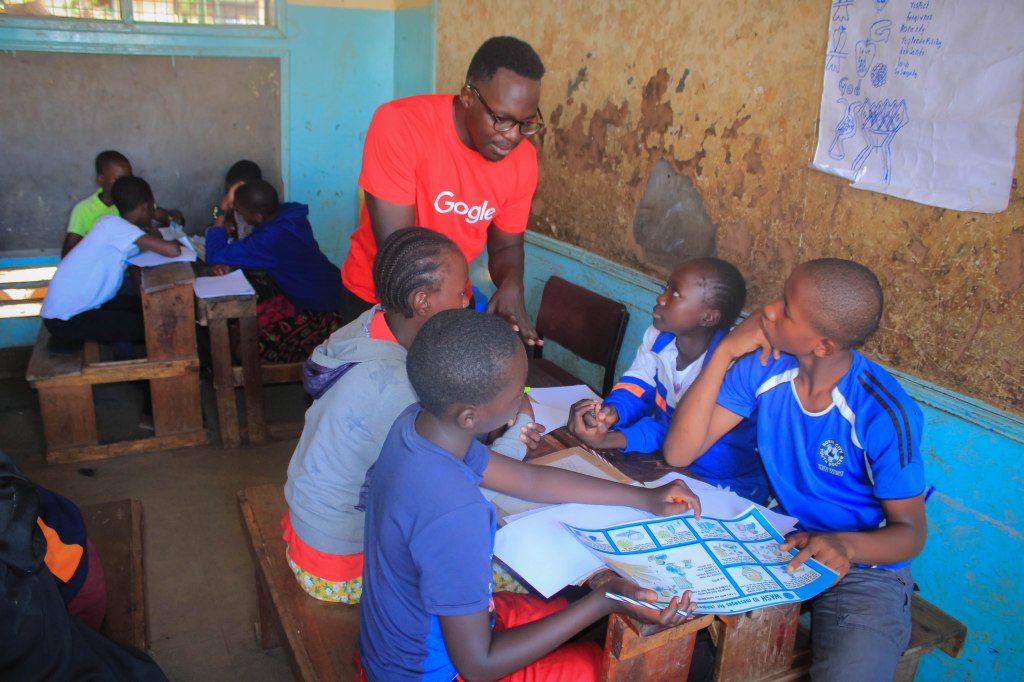
- Visuals Enhance Engagement
Children were far more responsive to the posters that had bright, colorful, and relevant illustrations. They showed a clear preference for images that depicted familiar scenes, such as children washing hands or covering drinking water. This insight reinforces the importance of well-designed visuals that capture attention while supporting the core health messages, making them more relatable and engaging.
- Involving Children in the Validation Process Fosters Ownership
Allowing the children to contribute their own ideas and feedback gave them a sense of ownership over the WASH messages. This participatory approach was crucial because it made the students feel that their opinions mattered and that the posters were designed for them, by them. This sense of involvement is likely to lead to stronger adherence to the hygiene practices outlined in the messages.

- Peer Learning Is a Powerful Tool
We observed that children learn effectively from one another. During the group discussions, some pupils who understood the messages better helped explain them to their peers, facilitating a deeper understanding across the board. This peer-to-peer learning model can be a powerful tool in health education, as children are often more receptive to lessons shared by their friends.
- Teachers Play a Critical Role in Reinforcing Messages
The involvement of teachers in the workshop was instrumental in ensuring that the WASH messages would be reinforced beyond the validation event. Teachers, who are key influencers in the lives of children, provided valuable insights into how these messages could be integrated into daily school routines. Their feedback highlighted the importance of training educators to deliver health messages in ways that resonate with young learners.
These lessons will not only enhance the effectiveness of future WASH campaigns but also inform how we approach health communication projects with children in other regions. The collaborative nature of this project, particularly the direct involvement of children, is a model we hope to replicate and improve upon in the future.
Special Gratitude to Our Partners
We extend our heartfelt gratitude to all the individuals and organizations who contributed to the success of the WASH poster validation workshop. Special thanks go to the teachers of Alendu Primary School and Central Primary School for their unwavering support in mobilizing students and facilitating the workshop. We deeply appreciate the pupils who actively participated and shared their invaluable feedback. A special mention goes to Mansi Kotak, Flavian, and Pia from the Rahul Kotak Foundation, whose coordination was instrumental in ensuring the event ran smoothly. We are also incredibly grateful to Clare Hanbury from Children for Health, whose foundation not only provided the funding but also collaborated with Stowelink Foundation in developing the WASH messages. Lastly, sincere thanks to Ogweno Stephen, CEO of Stowelink Foundation, and Oduor Kevin, Chief Programs Officer, for their leadership and dedication in making the event a success.
 Stowelink Foundation
Leave a comment